A Guide to Wildlife Control: Key Strategies and Dead Animal Removal Services
Wildlife control encompasses methods aimed at controlling wildlife and ensuring safe living conditions. Being aware of the influence of frequent animal intruders is vital for residents. Proper preventive measures can significantly minimize the likelihood of animal intrusions. Furthermore, the prompt disposal of deceased animals is essential for maintaining health and safety. Yet, numerous individuals are still uninformed about the essential components of proper wildlife management and the value of expert assistance. What steps can be taken to safeguard homes and communities?
What Is Wildlife Management and Why Does It Matter?
Wildlife management encompasses numerous methods focused on managing animal populations and their interactions with human environments. This discipline is critical for maintaining ecological balance and reducing tensions between wildlife and humans. Successful wildlife control aids in preserving public health by mitigating risks associated with zoonotic diseases, which have the potential to pass from animals to humans.
In addition, it protects crop and livestock welfare by addressing species that could harm crops and farm animals. By implementing compassionate approaches, animal control supports harmonious living, guaranteeing that human requirements and animal protection remain equally important.
Additionally, it serves to protect biodiversity by addressing invasive species that can disrupt native ecosystems. In summary, fauna management is necessary not only for boosting safety and decreasing property damage but also for encouraging a enduring relationship between humanity and the environment.
How Frequent Wildlife Intruders Harm Your Home
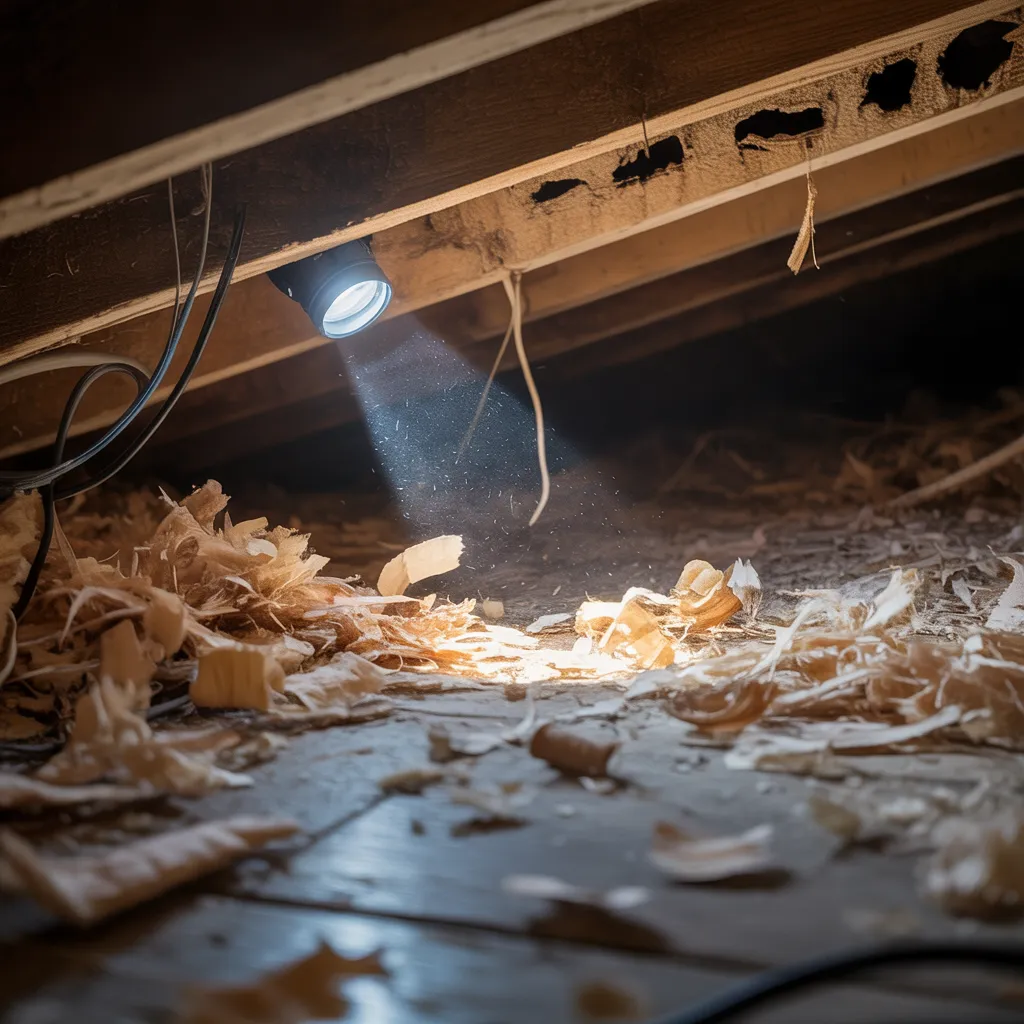
Frequent wildlife invaders present serious threats to residential properties, causing structural deterioration that can weaken a building's foundation. Such creatures are capable of tainting insulation, generating dangerous health risks for residents. Furthermore, having these creatures nearby introduces serious electrical dangers, given their tendency to bite through cables, heightening the likelihood of dangerous fires.
Risks of Structural Damage
The presence of wildlife intruders can lead to considerable structural deterioration in households. Animals such as raccoons, squirrels, and rodents frequently take advantage of weaknesses in home exteriors, establishing openings that undermine the integrity of the structure. Raccoons, as a prime copyrightple, are capable of ripping away roofing components and deteriorate insulation, while squirrels often chew through wiring systems and wooden supports, elevating the danger of fire-related incidents. Furthermore, tunneling animals can destabilize foundations by excavating burrows, amplifying the risk of foundation failure. As time passes, these openings can permit moisture infiltration, resulting in mold development and wood decay. Property owners must stay alert to indicators of animal intrusion to avoid expensive repairs and ensure the safety and longevity of their properties. Timely response is critical to minimizing these dangers.
Insulation Contamination Issues
Insulation serves as an essential barrier against temperature fluctuations, but it can easily become compromised by invading wildlife. Animals such as mice and raccoons can rip apart insulation materials, forming openings that enable deeper access into residential structures. Their nesting habits often result in soiling the insulation with droppings, urine, and other debris, causing significant contamination. This not only reduces the insulation's performance but also creates health hazards through possible exposure to dangerous pathogens. Furthermore, decomposing animal remains can produce foul odors and draw in additional pests. Residents need to resolve insulation contamination without delay to sustain both energy efficiency and air quality indoors, underscoring the value of reliable wildlife control and corrective measures.
Electrical Safety Concerns
In what ways do wildlife intruders create electrical hazards in homes? Typical wildlife pests, including rodents and birds, can inflict considerable damage on electrical systems. Rodents, particularly, are known for gnawing on wires, which can lead to exposed conductors and potential short circuits. This not only poses a fire risk but also increases the chances of electrical shock for homeowners. Furthermore, nesting debris from birds can block ventilation systems or build up near electrical panels, increasing the risk of fire. Moreover, wildlife may introduce moisture through burrows or droppings, creating an environment conducive to corrosion and electrical failure. Tackling these hazards with proper wildlife control measures and routine inspections is critical to preserving a safe home environment.
How to Detect Evidence of Wildlife in Your Area
Identifying signs of wildlife presence is essential for successful management approaches. Frequent evidence includes tracks, distinctive noises, and unusual odors that can suggest the encroachment of animals. Detecting these signals in a timely manner can aid in reducing possible property damage.
Popular Wildlife Track Identification
A large number of outdoor enthusiasts discover that identifying common animal valuable guide tracks is crucial for understanding local ecosystems. Animal tracks differ across species, with distinctive shapes and sizes. For copyrightple, deer tracks are heart-shaped, while raccoon prints exhibit a hand-like appearance with elongated fingers. Tracks from canines like coyotes tend to show an oval form with clearly defined claw marks. Studying the gaps between tracks may reveal important information about the animal's dimensions and traveling speed. Furthermore, noting claw impressions can assist in distinguishing between different species; to illustrate, the tracks of a bobcat notably lack visible claw marks, setting them apart from a dog's prints. Recognizing these specifics enhances wildlife observation and conservation endeavors, fostering a greater appreciation for nature.

Noises and Odors
Recognizing wildlife activity often extends beyond visual cues like tracks; sounds and odors play important roles as well. Audio signs such as disturbances in the undergrowth, scratching in walls, or nocturnal chattering can suggest animals searching for food or refuge. Every animal type generates characteristic sounds, assisting in pinpointing the likely animals involved. Scents likewise deliver essential information. A musty smell may point to a concealed wildlife nest, while a unpleasant smell could indicate a dead animal nearby. Detecting these sensory clues enables homeowners to take prompt action. By remaining vigilant to both auditory and olfactory signs, residents can properly determine wildlife existence and implement proper containment actions before the situation escalates.
Wildlife Prevention: Reliable Strategies for Blocking Unwanted Animal Intrusions
Stopping wildlife intrusions requires a strategic approach that integrates an understanding of animal habits with proven deterrent methods. Residents ought to start by pinpointing likely entry spots, such as holes in walls, overhead spaces, or underground sections, and fill them in to remove any means of entry. Consistent upkeep of the premises, including tidying up refuse and safely containing rubbish, can prevent creatures from targeting the property as a food supply.
Moreover, utilizing natural deterrents like motion-activated lighting or sound systems can deter unwanted visitors. Landscaping selections also make a difference; choosing native plants and sustaining a neat yard can minimize appeal for different species. Raising awareness among residents about local wildlife tendencies increases awareness and supports preventive actions.
The Function of Professional Wildlife Control Services
When wildlife disturbances go beyond what homeowners can manage on their own, professional wildlife control services become an essential resource. These expert services deliver proficiency in recognizing and managing a broad spectrum of wildlife problems, providing both protection and conformity with local laws. Trained professionals utilize humane trapping methods and exclusion techniques to minimize the impact on local ecosystems while effectively resolving conflicts with wildlife.
In addition, these services often offer detailed assessments of residences to uncover potential vulnerabilities that may invite future intrusions. By using cutting-edge tools and approaches, they can tackle the root sources of wildlife challenges, rather than merely addressing surface issues. This forward-thinking approach not only shields homes but also promotes coexistence with local wildlife. In the end, working with professional wildlife control services confirms that homeowners can navigate difficult wildlife problems with safety and efficiency, minimizing risks to their homes and personal safety.
Why Removing Dead Animals Is Essential
The presence of dead animals on a property can present serious health hazards and attract unwanted pests. Decomposing carcasses release harmful bacteria and pathogens, which can taint soil and water resources, endangering the health of humans and animals. Additionally, the stench arising from a rotting body can negatively impact the daily lives of surrounding residents and generate an uncomfortable atmosphere.
In addition, dead animals can become a food source for opportunistic feeders, including vermin and insects, causing further infestations. This can develop into more serious complications, demanding more extensive pest control strategies. Acting quickly to remove dead animals is crucial to mitigate these risks and restore safety to the environment.
Specialized dead animal removal providers are equipped to handle these situations efficiently, ensuring proper disposal and sanitation. By tackling the problem promptly, homeowners can safeguard their well-being, protect the integrity of surrounding ecosystems, and maintain the integrity of their surroundings.
What to Look for in a Wildlife Control Service?
Reliable wildlife control services are crucial for sustaining a safe and healthy environment, especially after issues such as dead animal removal. A number of critical considerations should be kept in mind when selecting a wildlife control service. To begin, confirm that the company holds proper licensing and insurance, because this establishes their authenticity and provides protection from liability. A strong background in the field is indispensable; a company with a proven track record is more likely to handle various wildlife issues effectively.
In addition, inquire about their approaches to animal control and prevention, confirming they utilize ethical and eco-friendly methods. Customer reviews and testimonials can provide insight into the team's trustworthiness and performance.
In addition, a reliable service should provide a comprehensive assessment and continued monitoring to prevent recurring wildlife invasions. By assessing such standards, clients can choose a wildlife removal company that prioritizes safety, efficiency, and ethical practices.
Frequently Asked Questions
What Are the Legal Guidelines for Wildlife Management in My Area?
Legal regulations for wildlife management differ by region, frequently necessitating permits for trapping and relocation. Local wildlife management agencies provide guidelines, promoting humane care and compliance with conservation laws to preserve wildlife and natural ecosystems.
How Do I Safely Handle a Dead Animal on My Property?
In order to safely handle a dead animal, it is recommended to use protective gloves, use a shovel for removal, place the body in a double bag, and dispose of it according to local regulations, maintaining proper sanitation while minimizing health risks.
What Are the Pricing Details for Wildlife Control Services?
Costs associated with wildlife control services vary widely, usually spanning from $100 to $1,500. Factors influencing pricing include the type of wildlife, degree of the wildlife problem, and the removal techniques or prevention strategies required.
Can Wildlife Control Prevent Future Infestations Entirely?
Wildlife control can substantially decrease the probability of recurring wildlife problems through proactive strategies, but it cannot guarantee absolute protection. Continuous oversight and upkeep are necessary to reduce potential threats and address any potential issues promptly.
What Kinds of Animals Necessitate Specialized Removal Techniques?
Particular animals, among them raccoons, bats, and snakes, necessitate specialized handling methods because of their distinct behaviors and possible health hazards. Qualified professionals must use particular approaches to ensure safe and humane treatment throughout the handling and removal process.